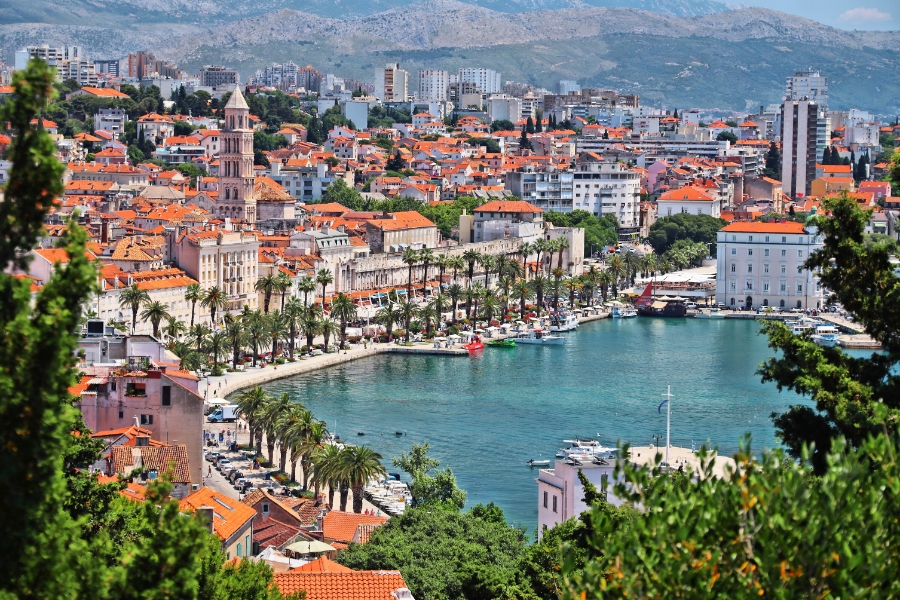
Various regions of Croatia are best reached in different ways. City centres often have traffic restrictions, coastal routes can involve longer driving times, and island travel may include ferries or limits on vehicle access. With a rental car in Croatia, you can reach parks, small inland villages, or beaches far from bus routes.
At the same time, driving in historic city centers, finding parking near the coast, or taking a car to an island can affect cost and convenience. Renting the wrong car for your route often leads to wasted time or unexpected fees. This guide shows the best vehicles to rent in Croatia’s cities, along the coast, and on the islands.
Deciding whether to rent depends on your itinerary and your comfort with driving abroad. Major highways connect many cities and attractions, but buses and tours have fixed schedules. If you plan a road trip covering multiple towns or nature sites, a car can save you time and let you explore remote places.
For example, driving is ideal for visiting Plitvice Lakes or Krka National Park, quaint villages, or remote places. A car is also great if your itinerary spans different regions like Istria, Dalmatia, and Slavonia, where relying on bus routes would limit your schedule.
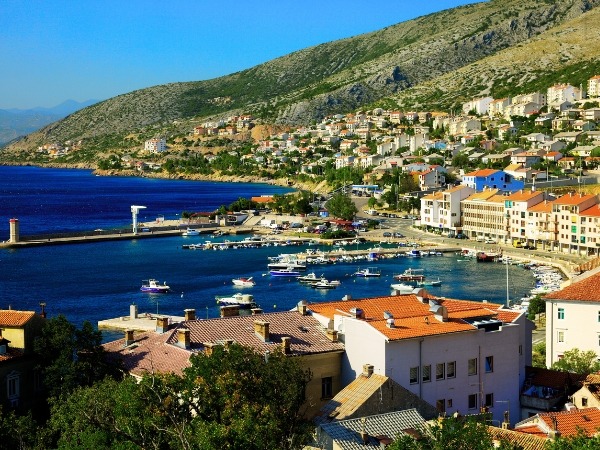
Below, we break down the best car types for cities like Zagreb, Split, and Dubrovnik, plus tips on parking and stress-free driving in town.
In Croatian cities, compact cars and small hatchbacks are usually the best option. Historic centres in Zagreb, Split, and Dubrovnik have narrow streets and tight corners, so it’s difficult to navigate with larger vehicles. A small car is easier to manoeuvre and park, especially when spaces are limited.
Most rentals in Croatia are manual, while automatics usually cost an extra fee. Croatia drives on the right side. Also note that many old towns are pedestrian-only, including Dubrovnik’s historic core. For urban travel, a compact manual is often the best car to rent in Croatia.
Most cities have paid street parking zones with machines or mobile payment options. Central areas are usually the most expensive with limited parking duration, while zones further out are cheaper for longer stays. Enforcement is strict, so always pay for the full time you park.
Parking garages are a good alternative in places like Dubrovnik and Split, especially during the summer. In many cases, it is easier to park once and explore on foot or by public transport. Zagreb has a tram network, and the historic centres are very walkable. Avoid rush hour in Zagreb from 7 to 9 AM and 4 to 6 PM.
Coastal Croatia is a driver’s dream. There are panoramic roads hugging the Adriatic Sea, charming seaside towns, and plenty of spots to pull off for a swim or photo. To fully enjoy a Croatian coastal road trip, you’ll want a vehicle that’s comfortable for longer drives and capable on winding roads. The coastline from Istria down to Dalmatia stretches over 1,700 km. There are modern motorways and the two-lane Adriatic Highway (Jadranska Magistrala) running along the shore.
The best car for Croatian coastline is one that keeps you comfortable over long distances. You will spend several hours driving each day, moving between towns, beaches, and viewpoints. A medium-sized vehicle has enough room for passengers and luggage. Good fuel efficiency also matters, as petrol prices are high and frequent refuelling can affect your plans.
If you intend to explore quieter inland areas or reach beaches via rough access roads, choose vehicles with higher ground clearance. However, most coastal routes are well-maintained and suitable for standard vehicles. Strong air conditioning is a necessity in summer, when temperatures often exceed 30°C.
Driving the Adriatic coast is scenic but demanding, especially when driving the Adriatic Highway. The main coastal road runs along cliffs and bays, offering sea views on one side and mountain views on the other. Expect a winding two-lane route with frequent curves, towns, and limited overtaking chances.
Progress is slower than on motorways. Roads are generally well-maintained, but you'll need to watch out for sharp bends and steep drop-offs. Wind can be strong on exposed sections and bridges. Speed limits change often as you pass through villages, and enforcement is strict.
Croatia has more than a thousand islands and islets. Not all islands are car-friendly, and reaching them often means loading your vehicle onto a ferry. The ferry system in Croatia is extensive. Car ferries connect the major islands like Krk, Brač, Hvar, Korčula, and Pag to the mainland. However, there are also smaller islands where cars are either impractical or not allowed. In this section, we’ll cover taking your mainland rental car on a ferry to an island and renting a car on an island.
It is possible to take a rental car to many Croatian islands, but planning is essential. Car ferries run from major coastal ports and can transport vehicles. However, you must confirm that your rental company allows ferry travel, as some require notice or extra insurance. Not all islands permit cars, and a few are pedestrian-only. This means you will leave the vehicle on the mainland.
In summer, ferries operate on a first-come, first-served basis. Costs vary by route, but a medium car may cost around 35 USD plus passenger fees. Bringing a car is worthwhile for larger islands and longer stays, while short visits often work better without one for most travellers.
Renting a car directly on a Croatian island is better than bringing one from the mainland. Larger islands such as Hvar, Brač, Korčula, and Krk have local rental agencies offering cars, scooters, and bikes. You can arrive by passenger boat and rent a vehicle only when you need it.
Availability is more limited, and prices may be slightly higher, so book ahead in summer. Smaller cars are usually enough for island roads. Scooters are popular for short distances but require caution on steep routes. If you don't rent a car at all, buses, taxis, and bikes often cover the main areas.
The best rental car in Croatia depends on your route. Compact cars are ideal for city sightseeing, while larger vehicles are more comfortable for long coastal drives. Plan your itinerary first, then rent a car only for the parts of the trip where it is needed.
Rent a car in Croatia with Final Rentals to choose from compact city cars to spacious SUVs and vans. With Final Rentals, booking a car online is fast and simple. Select Zagreb Airport, Dubrovnik Airport, or Split Airport as your pickup location, enter your travel dates, and choose a vehicle for your trip. Book and manage your car rental at any time. Download the Final Rentals app on Google Play and the App Store.
Croatia is generally friendly for drivers. Roads are well-maintained and clearly signed in the Latin alphabet. Just remember to drive on the right side, follow speed limits, and be cautious on narrow rural roads.
The best type of car depends on your plans. For a typical Croatia road trip with 2–4 people, a compact or mid-size car with good fuel economy and air conditioning is ideal. You don’t need a 4x4 unless you plan to go off-pavement. Pick something comfortable for long drives and small enough to handle town streets. A hatchback or intermediate sedan often hits the sweet spot.
Yes, you can take rental cars on many island car ferries, but check with your rental company first. Major islands like Hvar, Brač, Krk, and Korčula have car ferry services. Make sure your rental agreement allows ferry travel because some companies charge extra. Be prepared to arrive early at the port as car ferry spaces are first-come, first-served. Keep in mind that a few smaller islands don’t allow cars at all.