Finalrentals Blog

Published in Explore Category.
The Pelješac Peninsula is Croatia’s second-largest peninsula, located in southern Dalmatia just a short drive north of Dubrovnik. Despite its natural beauty, Pelješac is a hidden gem with far fewer tourists than popular spots. With affordable car hire in Croatia, it’s more rewarding to reach it.
This peninsula is famed for its rugged coastline, pebble beaches, historic salt pans, medieval stone walls, sleepy villages, and excellent red wines. Keep reading to uncover why Pelješac’s wines, dramatic scenery, and relaxed rhythm make it one of Croatia’s most rewarding escapes.
Where Is the Pelješac Peninsula?
The Pelješac Peninsula is located in southern Dalmatia, Croatia, projecting into the Adriatic Sea about 50 kilometres northwest of Dubrovnik. It stretches approximately 70 kilometres in length, from the mainland near Ston at its southeast end to Cape Lovište at the far northwest.
The peninsula is bordered by the sea on three sides and separated from nearby islands (such as Korčula and Mljet) by narrow channels. Pelješac lies just north of Bosnia and Herzegovina’s tiny coastal strip, though a bridge now connects Pelješac directly to the Croatian mainland.
Culturally and historically, Pelješac is part of the Dubrovnik-Neretva County. It was once governed by the Republic of Dubrovnik (Ragusa), which built massive stone walls at Ston in the 14th century to defend its valuable saltworks. Today, you can through Pelješac's vineyards, olive groves, and karst hills dotted with small villages, all surrounded by the Adriatic’s turquoise waters.
How to Reach the Pelješac Peninsula
The easiest way for international travellers to reach the Pelješac Peninsula is to fly into Dubrovnik Airport (Čilipi) and then travel overland from there. Dubrovnik is the closest major airport and offers frequent international connections, making it the ideal entry point for Pelješac.
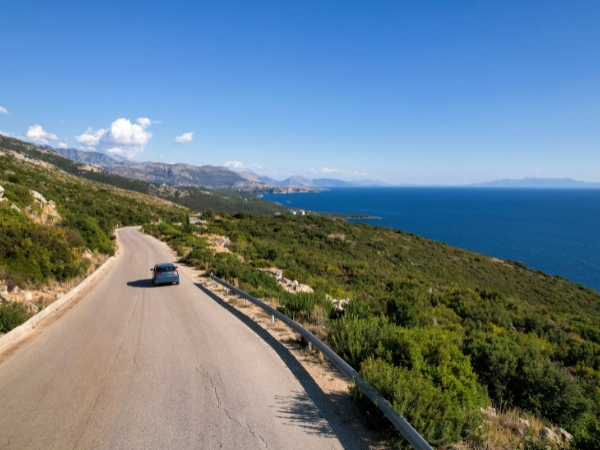
After landing at Dubrovnik Airport, the easiest option is to rent a car at Dubrovnik Airport. From Čilipi, the drive to the Pelješac Peninsula takes roughly 1.5 to 2 hours, depending on your final destination on the peninsula. You will follow the coastal D8 highway north toward Ston, then continue onto the D414 road, which runs the length of Pelješac. Since the opening of the Pelješac Bridge, the journey is entirely within Croatia, with no border crossings.
Best Time to Visit the Pelješac Peninsula
Pelješac has a classic Mediterranean climate, with hot, dry summers and mild winters. The best time to visit the Pelješac Peninsula is late spring through early autumn (May to October), when the weather is warm, and tourist facilities are fully open.
In peak summer (July and August), daytime temperatures reach around 29 °C, while the sea warms to about 25 °C, making conditions ideal for swimming. If you prefer slightly cooler weather and fewer visitors, June or September are excellent choices. The Adriatic remains warm at around 23 °C, but beaches and roads are less crowded. October can also be enjoyable, with sea temperatures still in the low 20s °C and vineyards taking on golden autumn colours as harvest season comes to an end.
For wine lovers, late August and September are appealing, as this is harvest time on Pelješac. Vineyards are active with grape picking, and some wineries host tastings or small local celebrations, offering a deeper look into the peninsula’s wine culture. Spring (April to May) is another lovely period, with wildflowers covering the hillsides and comfortable temperatures for hiking and cycling. Winter is the quietest season, with many hotels and restaurants closed.
Top Things to Do in the Pelješac Peninsula
Pelješac is tranquil and laid-back, but it offers plenty of attractions and activities for visitors. Below, we highlight some of the peninsula’s must-see sights and experiences:
1. Visit Pelješac Wineries and Wine Roads
Pelješac is renowned for its vineyards and bold red wines. Driving through the Pelješac Peninsula wine region is a highlight, with winding roads cutting through sun-drenched hills covered in grapevines.
The areas around Potomje, Dingač, and Postup are scenic and form the heart of Croatia’s most prestigious wine-growing zone. This region is celebrated for Plavac Mali, an indigenous grape that thrives in rocky soil and intense heat, producing powerful, full-bodied wines. Winemaking here dates back to ancient Greek and Roman times.
A must-do activity is stopping at family-run wineries for tastings. Many small cellars welcome visitors to sample their Dingač or Postup wines. These are the peninsula’s two protected appellations, both made from Plavac Mali. Wine lovers can also visit the wine museum in Potomje and drive through the Dingač Tunnel, which leads to coastal vineyards clinging to steep slopes above the sea.
2. Relax on the Best Beaches in Pelješac
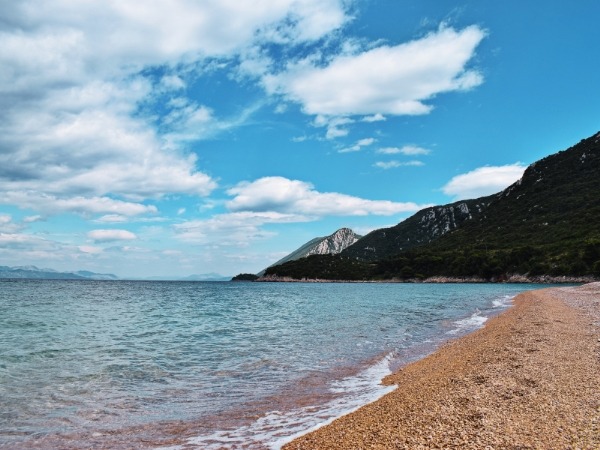
The Pelješac Peninsula beaches are among the most beautiful in Dalmatia. The coastline is dominated by pebble and shingle beaches with clear Adriatic water, making the area perfect for swimming and snorkelling. You will find everything from family-friendly bays to secluded coves surrounded by untouched nature.
In the south, near Ston, Prapratno Beach stands out for its rare sandy shoreline and shallow, calm water. On the western coast near Orebić, Trstenica Beach offers a longer pebble beach with gentle entry into the sea, beach bars, and water sports, combining comfort with scenic views across to Korčula Island.
For truly postcard-worthy scenery, head to the quieter north coast. Divna Beach, backed by pine trees and turquoise water, lives up to its name, while nearby Duba Beach and the bay at Žuljana are favourites for their tranquillity and crystal-clear sea.
3. Explore Charming Towns and Villages
For a real sense of local culture, take time to wander through Pelješac’s small towns and fishing villages. The two main centres are Ston and Orebić. Ston is known for its medieval walls and a relaxed old-town atmosphere, while Orebić reflects its maritime past through elegant captains’ houses along the seafront.
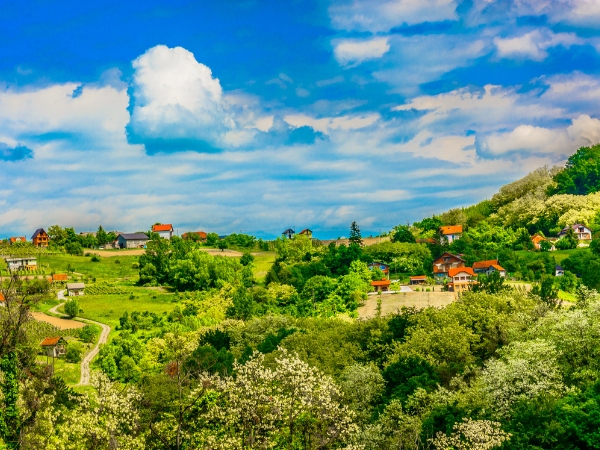
Smaller villages such as Trpanj, Janjina, and Žuljana invite you to slow down and enjoy everyday Dalmatian life. Expect stone houses with red-tiled roofs, quiet harbours, and locals selling homemade wine, olive oil, or fruit by the roadside.
4. Enjoy Nature and Scenic Landscapes
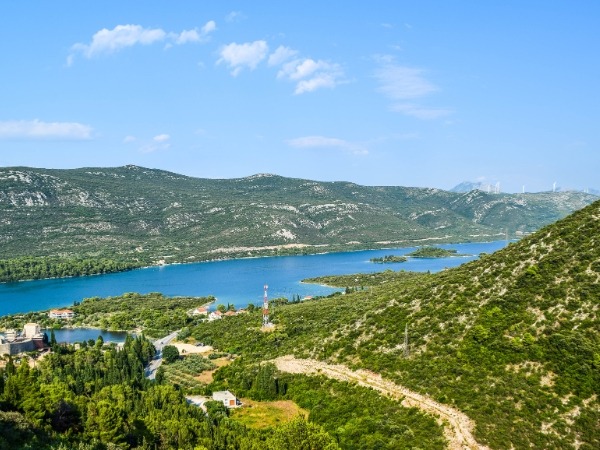
Nature lovers will feel right at home on the Pelješac Peninsula, where rugged mountains and the Adriatic Sea meet. A dramatic karst mountain ridge runs along the peninsula’s spine, shaping bold landscapes and unforgettable coastal views. The highest point, Sveti Ilija (961 metres), is a rewarding hike for experienced walkers, offering sweeping panoramas across Pelješac and the nearby islands on clear days.
Beyond Sveti Ilija, there are many shorter hiking trails and scenic viewpoints, particularly around Orebić and Nakovana, where paths offer views of vineyards, olive groves, and deep blue water. Pine forests blanket many hillsides, and the air is often scented with wild herbs such as rosemary and sage.
Birdlife is abundant, with birds of prey frequently visible above the ridges. In wooded areas, wildlife like wild boar still roam. At the base of the peninsula, Mali Ston Bay has wetlands, oyster farms, and salt pans framed by gentle green hills. Whether hiking, swimming, or simply stopping at a viewpoint, Pelješac offers scenery that is deeply memorable.
5. Outdoor and Adventure Activities
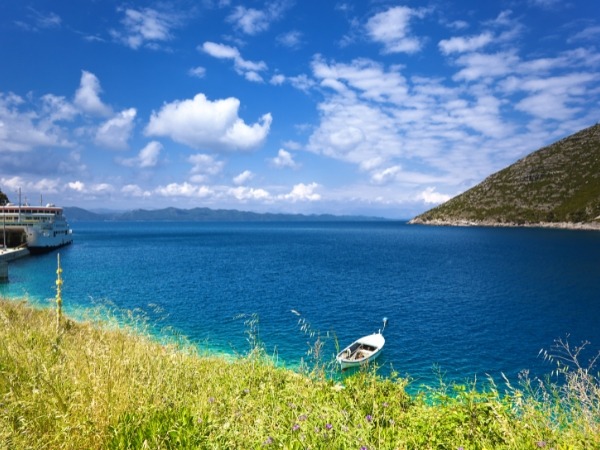
For active travellers, Pelješac offers plenty of adventure amid striking natural scenery. Hiking is one of the most rewarding activities. Beyond the well-known Sveti Ilija route, there are many shorter trails leading to panoramic viewpoints, pine forests, and even old Napoleon-era fort ruins. Some paths descend to secluded bays accessible only on foot.
Cycling is another excellent way to experience the peninsula. Quiet roads connect villages, vineyards, and coastal viewpoints, though riders should be ready for steep climbs and rewarding downhill stretches.
On the water, Pelješac truly shines. The village of Viganj is known for windsurfing and kitesurfing, thanks to reliable Maestral winds that blow through the channel between Pelješac and Korčula. Beginners can join local schools, while spectators will enjoy the colourful sails filling the sea each afternoon.
Sea kayaking is popular in Orebić and Trpanj, especially in the calm morning hours, allowing access to caves and hidden beaches. Diving and snorkelling are also ideal activities due to clear water and rich marine life. Whether hiking hills or paddling the coast, Pelješac blends activity with unforgettable scenery.
Explore the Regions of the Pelješac Peninsula
Pelješac may be one peninsula, but it has distinct areas and towns. Below is a quick guide to the main regions of Pelješac and what you’ll find in each:
Orebić: Gateway to Pelješac
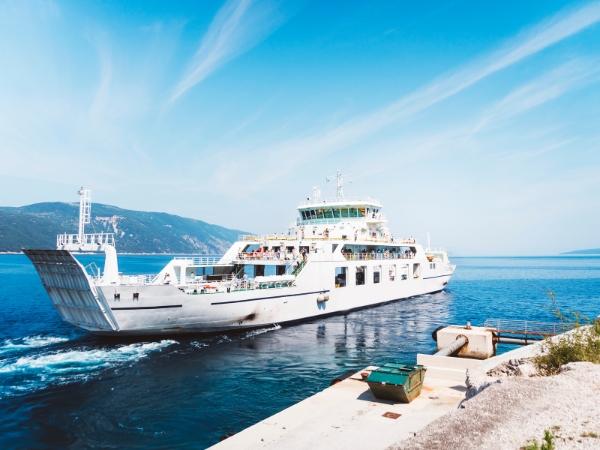
Orebić is the largest town on the Pelješac Peninsula and its main ferry port to Korčula Island. Set at the foot of Mount Sveti Ilija, the town faces Korčula across a narrow channel and enjoys beautiful sea views. Its palm-lined promenade is dotted with 19th-century sea captains’ villas. You can explore this history at the small Maritime Museum or walk uphill to the Franciscan Monastery of Our Lady of Angels, which offers sweeping views over the channel.
Orebić’s harbour is lively with fishing boats and ferries, while cafés, ice-cream shops, and traditional konobas line the waterfront. Just outside the centre lies Trstenica Beach, a long pebble beach ideal for swimming and paddleboarding.
Ston and Mali Ston: History, Salt, and Stone Walls
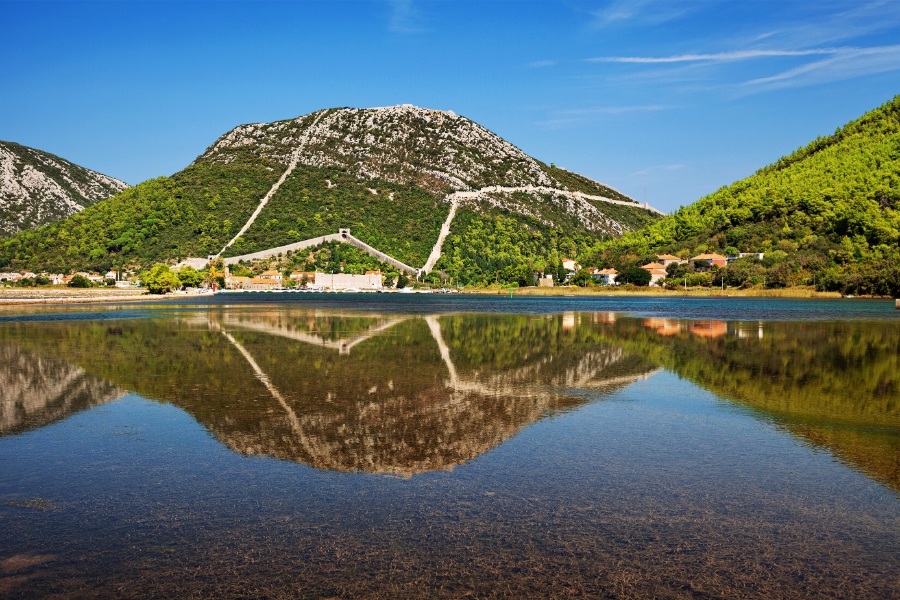
Ston is a historic town at the base of the Pelješac Peninsula, best known for its remarkable medieval fortifications and ancient saltworks. The Walls of Ston stretch about 5.5 kilometres across the hills. They are among the longest defensive walls in Europe.
Walking a section of the walls rewards you with views over red-tiled rooftops, geometric salt pans, and the bay. Built in the 14th century by the Republic of Dubrovnik, the walls protected Ston’s salt flats, which were once one of the region’s most valuable resources. Salt is still harvested here today using traditional methods, especially in late summer.
A short distance away is Mali Ston, a seaside village famous for its oyster farms. The oysters grown in Mali Ston Bay are one of the finest in the world. Many waterfront restaurants serve them freshly shucked, often paired with local white wine. Together, Ston and Mali Ston offer a memorable blend of history, scenery, and gastronomy.
Dingač and Postup: The Heart of Pelješac Wine Country
This region encompasses the iconic south-facing slopes of central Pelješac, where some of Croatia’s most prestigious wines are produced. Dingač and Postup are hillside vineyards clinging to steep, rocky terrain high above the Adriatic. Constant sun exposure, with heat reflected from the sea and limestone, gives the Plavac Mali grapes exceptional richness. Dingač was Croatia’s first officially protected wine appellation.
A memorable part of the visit is driving through the Dingač Tunnel, a 400-metre-long passage cut through the mountain. Emerging on the coastal side reveals terraced vineyards cascading toward the sea, with Korčula often visible in the distance. Along the winding road, small family wineries invite tastings, while villages like Potomje and Trstenik host renowned producers.
Trpanj Riviera: Beaches and Spa Traditions
Trpanj is a harbour town on the northern shore of Pelješac, with inviting beaches and long-standing spa traditions. Just outside town lies Blace Bay (Uvala Blace), famous for its mineral-rich healing mud. The natural mud has been used for generations to relieve joint pain and treat skin conditions.
Visitors are welcome to try a DIY mud bath by covering themselves in the dark mud, letting it dry in the sun, then rinsing off in the sea. Beyond the mud baths, the Trpanj Riviera offers pebble beaches and clear water. Nearby highlights include Divna Beach and Duba Beach.
Takeaway
The Pelješac Peninsula offers exciting experiences despite its relatively small size. You can be wine tasting in a hillside cellar one day, wandering medieval walls the next, and lounging on quiet beaches later in the afternoon. If you’re looking for pristine scenery, genuine hospitality, and the simple joys of good food and wine by the sea, Pelješac will win your heart.
Rent a car in Dubrovnik with Final Rentals to start planning your Pelješac adventure. With Final Rentals, booking a car online is fast and simple. Select Dubrovnik Airport as your pickup location, enter your travel dates, and choose a vehicle for your trip. Book and manage your car rental at any time. Download the Final Rentals app on Google Play and the App Store.