Finalrentals Blog

Published in Explore Category.
Planning a trip to Southern Croatia is easiest when you have your own car and an open itinerary. With a rental car, you can drive along the Dalmatian coast from Split to Dubrovnik in about 3 hours, or stretch the journey over several days to enjoy hidden beaches and villages.
The Pelješac Bridge now links Croatia’s mainland to its southern tip, so you no longer need to cross any borders when driving between Split and Dubrovnik. This means a tourist car rental in Dubrovnik can take you through the entire region without interruption. Keep reading to have a stress-free holiday in Southern Croatia.
9 Ways to Explore Southern Croatia by Car
The Adriatic Coastal Road (D8) is considered one of Europe’s most scenic drives. These tips will help you make the most of a flexible road trip through the region.
1. Start Your Trip in a City With Easy Road Access
Start your road trip in a major coastal hub like Split or Dubrovnik, where transport links and rental options are plentiful. Split is convenient if you plan to explore multiple regions, as it connects directly to the A1 motorway and the scenic coastal road. From here, you can head north toward Šibenik or south along the Makarska Riviera without backtracking.
Starting in Dubrovnik places you at Croatia’s southern gateway, ideal for exploring the nearby countryside, Konavle, or the Pelješac Peninsula. Choosing a tourist car rental in Dubrovnik lets you begin sightseeing immediately, with no border delays and smooth coastal driving.
2. Use a Rental Car to Explore Beyond the Main Cities
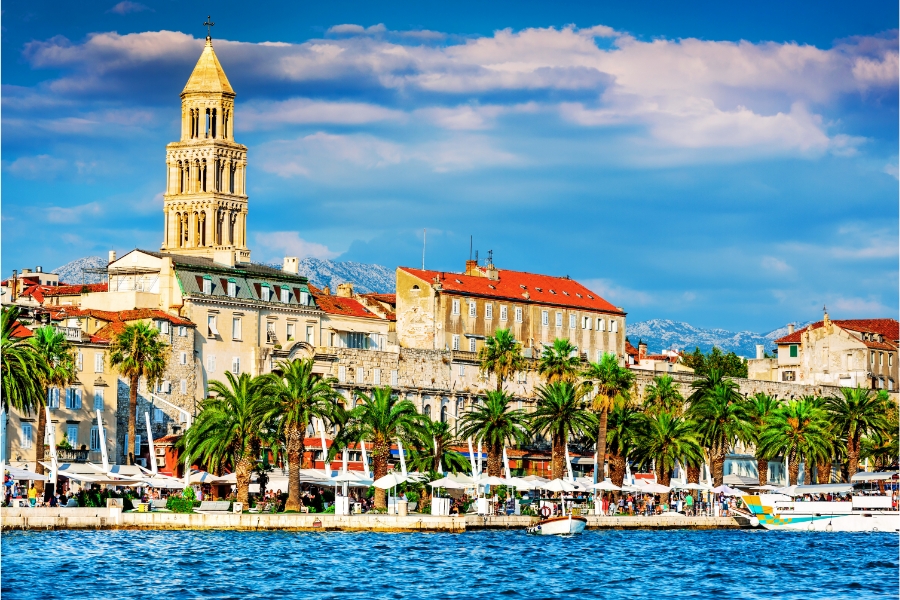
Having a car lets you explore far beyond the crowded centers of Split and Dubrovnik, uncovering the quieter side of Southern Croatia. While Split’s Diocletian’s Palace and Dubrovnik’s Old Town are great stops, many memorable experiences lie outside the cities. With your own car, you can reach villages, beaches, and wineries.
From Dubrovnik, a short drive south leads to the Konavle region, known for vineyards, rural landscapes, and traditional stone villages. In about 30 minutes along the D8 coastal road, you can reach Cavtat, a seaside town with waterfront cafés and scenic walking paths. It’s an easy escape from Dubrovnik’s busy streets. Near the city, you can also visit the Trsteno Arboretum, a historic garden filled with exotic plants and shaded paths.
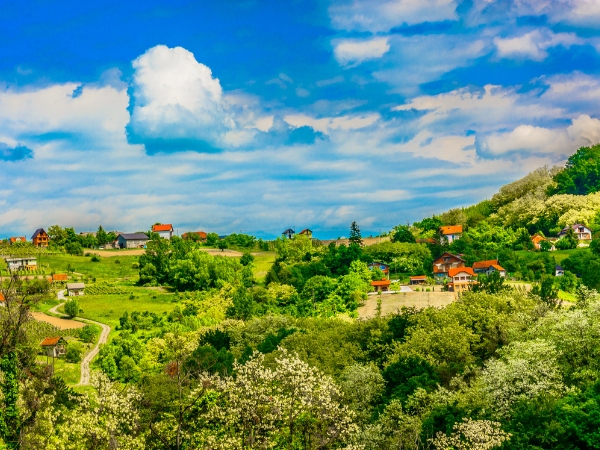
From Split, driving inland opens up the Dalmatian hinterland, with olive groves, rivers, and small villages. Here, you might stop at a family-run konoba for a homemade meal or discover viewpoints overlooking the coast. Public transport rarely reaches these places, but a car gives you complete freedom.
3. Plan a Loose Coastal Route Instead of a Fixed Itinerary
When driving in Southern Croatia, keep your itinerary loose rather than overplanned. Instead of locking yourself into strict schedules, map out a general coastal route and let each day evolve naturally. A classic example is Split to Dubrovnik, with optional stops like Makarska, Brela, or Ston along the way. The Adriatic coastal road (the D8 highway) runs almost continuously beside the sea, making navigation simple and scenic. You can follow this road and stop whenever something catches your eye.
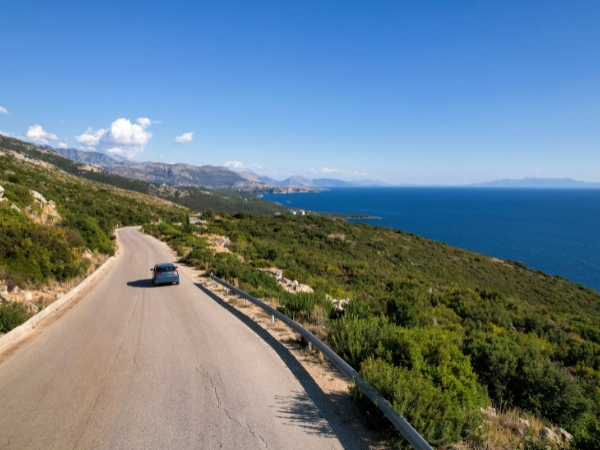
Driving along the Dalmatian coast is an experience. The road curves past turquoise bays, rocky cliffs, and small seaside towns. One moment, you might notice a quiet pebble beach perfect for a swim; the next, a hilltop café with sweeping views worth a coffee break.
Always have more time than the map suggests. While the direct inland route between Split and Dubrovnik takes about 3 hours, the coastal drive can stretch to 5 or 6 hours with stops. Some days you’ll linger in a village longer than expected; other days you’ll cruise further because the road and weather are perfect.
4. Make the Pelješac Peninsula a Flexible Detour
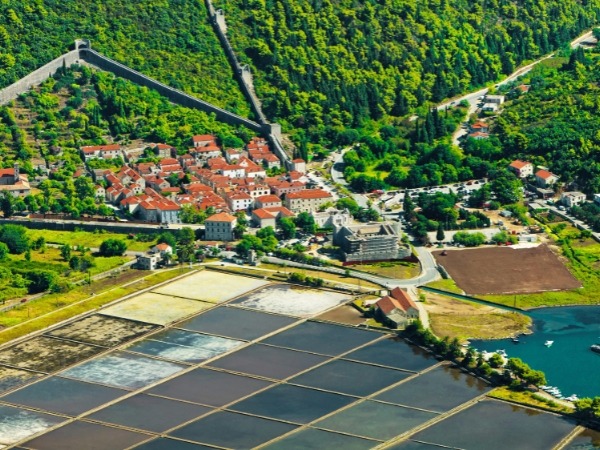
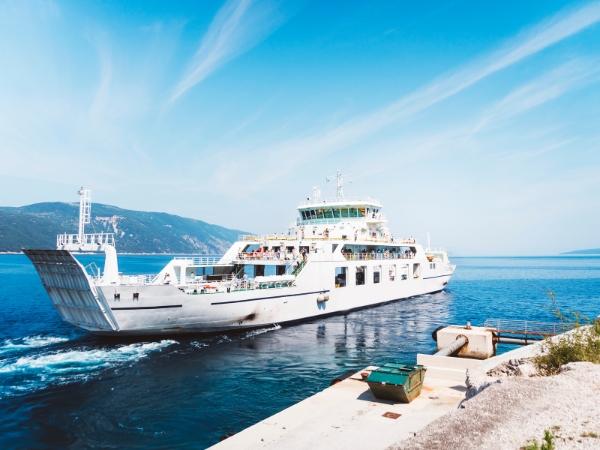
The Pelješac Peninsula is one of the easiest and most rewarding detours on a Southern Croatia road trip. This rugged, wine-covered peninsula stretches into the Adriatic just north of Dubrovnik. With the Pelješac Bridge, you can now drive onto the peninsula directly from the coastal highway, without crossing any borders. That means you can decide at the last minute: turn it off if you have extra time, or skip it entirely if your schedule is tight.
Pelješac is less crowded than the main coast and is known for vineyards, seafood, and historic villages. Your first stop is Ston, famous for its impressive medieval walls. It is among the longest in Europe, and its historic salt pans are still in use today. From there, the road winds through hills planted with grapes used for renowned Croatian wines like Dingač and Postup. Many small, family-run wineries sit right along the road.
Seafood lovers should not miss Mali Ston, celebrated for oysters and mussels harvested directly from the bay. Seaside restaurants serve them fresh and affordably. The peninsula is only about 65 kilometres long and can be driven in an hour. You can continue to Orebić, relax on beaches like Prapratno or Divna, or stay overnight.
5. Use Inland Drives to Balance Busy Coastal Areas
Southern Croatia’s coastline is undeniably beautiful, but during peak season, it can also be crowded. One of the biggest advantages of having a car is that you can escape inland. The coast and the Dalmatian hinterland are close to each other, yet they feel like entirely different worlds. With a short drive, you can trade busy waterfronts for open landscapes, cooler air, and solitude.
From Split, a drive of just 30 to 45 minutes east takes you into the Dalmatian hinterland. Here, towns like Sinj or Imotski are largely untouched by mass tourism. You’ll find stone villages, olive groves, and small farms that reflect traditional Croatian life. Scenic roads wind through hills and river valleys, and places like the Cetina River canyon near Omiš offer dramatic views and a refreshing break from the coastal heat.
Around Dubrovnik, an inland escape is simple. The Konavle Valley, about half an hour south, is dotted with vineyards, orchards, and peaceful rural roads. It’s ideal for a long lunch at an agrotourism farm or a leisurely drive past dry-stone walls and open fields. You can also head up Mount Srđ for panoramic views.
6. Stay Outside Historic Centers and Drive In
Driving is one of the best ways to explore Croatia, but historic city centers can be tricky for traffic and parking. The best approach is to base yourself just outside the old towns and use your car strategically. Cities like Dubrovnik and Split have medieval cores that are largely pedestrian-only, with very limited parking and high prices.
Instead, choose accommodation in nearby, car-friendly districts with easy road access. In Dubrovnik, Lapad or Gruž has hotels and apartments with parking included. From there, you can drive in early in the morning or later in the evening, park in a public garage near the Old Town gates, and explore on foot. This avoids peak congestion and lets you come and go on your own schedule.
Split's neighborhoods like Žnjan or Meje provide easier parking and quick access to the historic center without inner-city driving. Once you’ve explored Diocletian’s Palace, you can easily hop back in the car and head to a beach, viewpoint, or nearby town.
7. Let Beach Days Be Decided by the Drive
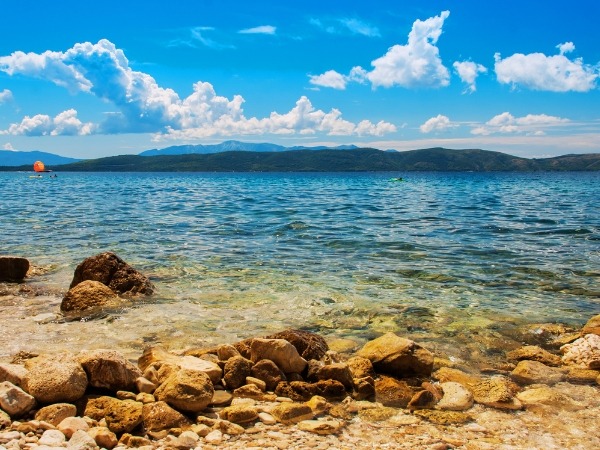
One of the great pleasures of a road trip in Southern Croatia is the freedom to turn any day into a beach day and adjust plans on the fly. This coastline is packed with beaches and hidden coves, especially along the Makarska Riviera and the Pelješac coast. With a car, you can wake up, check the weather, and head out to find the perfect swimming spot without committing to just one location.
Driving the Makarska Riviera alone offers endless options, including Brela, Baška Voda, Tučepi, and many smaller bays. Some beaches are lively with cafés and rentals, while others are quiet pebble coves tucked beneath cliffs. If one spot is crowded or windy, you can simply move on. The local bura wind might make one beach choppy while another nearby is calm.
A car also lets you discover undeveloped beaches not listed in guidebooks. A small sign reading “plaža” or a narrow side road can lead to a peaceful cove with crystal-clear water and only a few locals around. On the Pelješac Peninsula, beaches like Žuljana or Prapratno offer rare sandy shallows, and if they’re busy, another cove is just minutes away. You can bring towels, snorkelling gear, and a cooler, retreat to air-conditioning when needed, or head inland briefly before returning later.
8. Adjust Your Route Based on Weather and Crowds
Flexibility isn’t just about where you go, but when you go. In Southern Croatia, weather and crowd levels can change quickly, and having a car lets you adapt in real time. If you wake up to coastal rain or strong winds, you can pivot inland for clearer skies, a scenic drive, or a museum visit. If the sun is blazing and conditions are perfect, you might scrap a long drive and spend extra hours beach-hopping instead.
Crowd management is another major advantage. In places like Dubrovnik’s Old Town, cruise ship visitors typically peak between mid-morning and mid-afternoon. With a car, you can explore early, then leave around 10 am to enjoy quieter regions like the Pelješac wine country or the Konavle Valley.
9. Use Scenic Roads
In Southern Croatia, driving is one of the highlights of the trip. The region is filled with scenic roads that turn travel days into memorable experiences. The Adriatic Coastal Road (D8) hugs cliffs above the sea, offering nonstop views of turquoise water on one side and rugged mountains on the other. You’ll frequently see signs for vidikovac (viewpoints), inviting you to pull over for photos or simply soak in the scenery.
Drive through Mount Biokovo Nature Park above the Makarska Riviera. The narrow, winding road climbs through forests into stark rocky landscapes, ending at the Biokovo Skywalk, a glass platform suspended high above the coast. The ascent requires care and planning, but the reward is sweeping views over the Adriatic and nearby islands.
Likewise, driving across the Pelješac Bridge is more than practical. It’s a scenic moment in itself, which connects you to vineyard-covered hills and peaceful bays on the Pelješac Peninsula. Don’t overlook inland routes either. Roads through the Neretva Valley pass wetlands, orchards, and rivers, offering a calmer contrast to the coast. Even Croatia’s highways cut dramatically through the karst mountains with tunnels and bridges.
Takeaway
A flexible trip in Southern Croatia is all about giving yourself options, and the best way to do that is by self-driving. By following a flexible itinerary, you can discover the Dalmatian coast’s famed highlights and its secret corners on your own schedule.
Rent a car in Dubrovnik with Final Rentals to reach quiet beaches, inland villages, and scenic viewpoints. With Final Rentals, booking a car online is fast and simple. Select Dubrovnik Airport as your pickup location, enter your travel dates, and choose a vehicle for your trip. Book and manage your car rental at any time. Download the Final Rentals app on Google Play and the App Store.