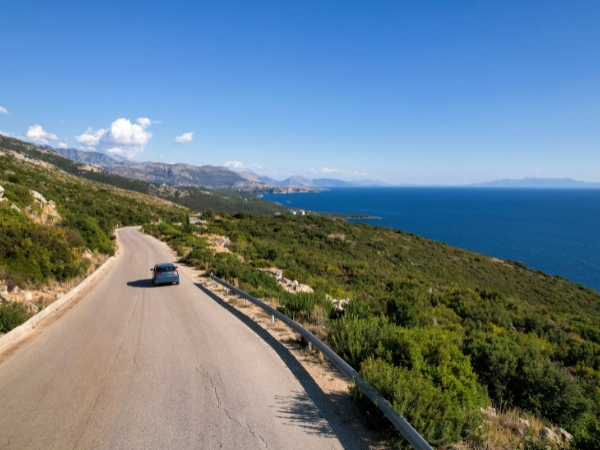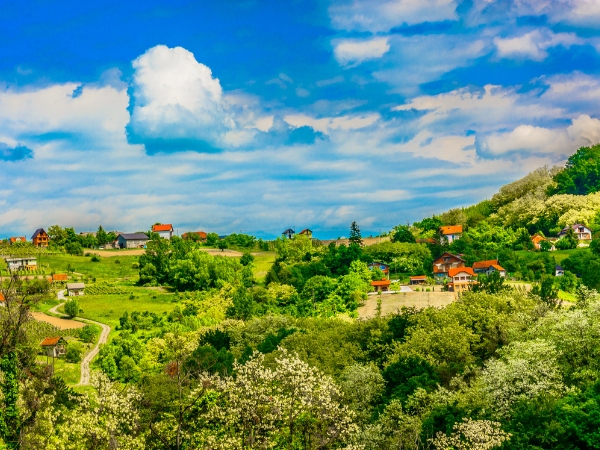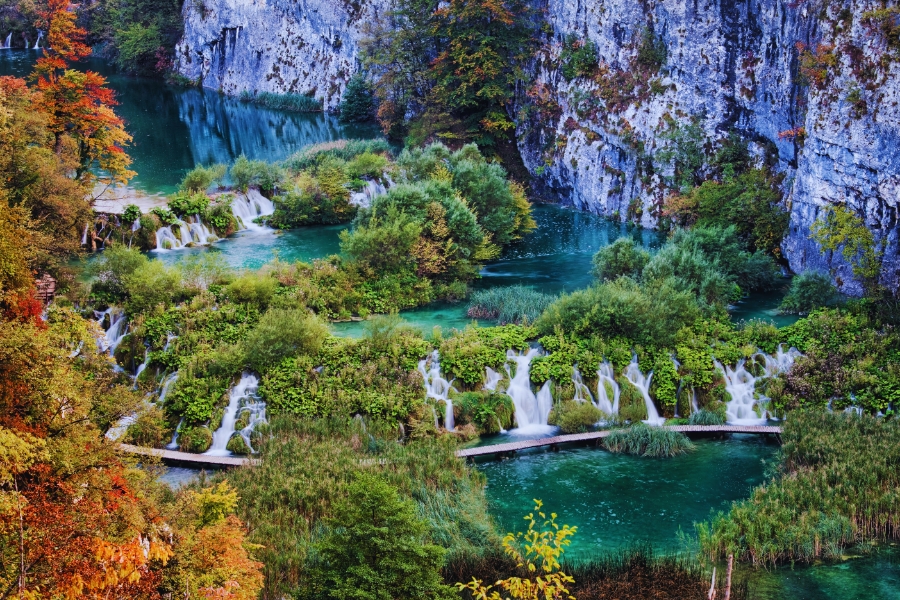
Croatia is not just about beautiful beaches but also a nature lover’s paradise. This country boasts a diverse range of landscapes, from the Adriatic coast to over 1,100 islands. In fact, Croatia has eight national parks and over 400 protected areas. It preserves around 9% of the country’s land.
These parks showcase the nation’s wild side, spanning crystal-clear lakes, karst caves, alpine peaks, and island coral reefs. It’s no wonder that Croatia is a top destination for outdoor adventures in Europe. Plus, it’s recommended to rent a car in Croatia before exploring the diverse natural wonders. This guide will take you through all of Croatia’s national parks.
Croatia’s national parks stand out for their extraordinary diversity packed into a relatively small country. Within short driving distances, travellers can experience strikingly different landscapes and ecosystems.
Croatia’s geography creates a rare mix of environments that few countries can rival. Despite its modest size, the country has coastlines, islands, waterfalls, forests, and mountains all within a few hours of each other. It is positioned at the crossroads of the Mediterranean and Central Europe, blending sunny coastal climates with cooler alpine highlands. The national parks are situated in limestone karst regions, which give rise to dramatic natural features such as caves, sinkholes, and unique tufa formations.
Wildlife in Croatia’s national parks is equally impressive, reflecting the country’s diverse habitats. In the Adriatic parks, visitors may spot dolphins or sea turtles, while inland and mountain parks are home to deer, wild boar, bears, and wolves. Eagles soar above forested peaks, and clean coastal waters support marine life.
Croatia’s coastal national parks protect idyllic islands and rich undersea ecosystems in the Adriatic. These parks have a mild Mediterranean climate with warm summers and gentle winters, which are perfect for boat excursions and seaside hikes. The coastal parks has spectacular seascapes with cultural history, from ancient Roman ruins to traditional fishing villages. If you love sailing, snorkelling, or soaking up island scenery, Croatia’s coastal national parks will steal your heart. Let’s discover the coastal national parks, starting in the northwest and heading down the Dalmatian coast.
Brijuni is a small archipelago of 14 islands located just off the Istrian peninsula in northern Croatia. These scenic islands were once the private retreat of Yugoslavia’s President Tito. Brijuni is well known for its safari park, created after Tito’s international guests gifted exotic animals over the years. Today, you may see free-roaming deer, peacocks, and elephants. The islands are also rich in heritage, with over 100 archaeological sites scattered throughout pine forests, including Roman villa remains and Byzantine-era structures.
For visitors seeking outdoor adventures in Croatia, the Brijuni Islands offer a relaxed yet engaging experience. On Veliki Brijun, the largest island, you can explore by bicycle or tourist train, stopping to admire Roman mosaics, landscaped parks, and a 1,600-year-old olive tree. Cycling routes pass quiet coves and historic landmarks such as the Roman villa at Verige Bay. Boat transfers from Fažana run daily and take approximately 15 minutes to reach the islands.

If you have ever imagined life as a castaway on a deserted island, Kornati National Park is likely to capture your imagination. This remote archipelago in central Dalmatia is composed of 89 islands, islets, and reefs, forming a maze of bare limestone rising from an intensely blue sea.
The Kornati Islands are the most densely indented island group in the Mediterranean, yet they remain almost entirely uninhabited. Many islands feature dramatic karst formations and steep cliffs that drop straight into the water. There are no permanent settlements, no electricity, and very little infrastructure. Clear waters and rich marine life make the park a haven for sailing, snorkelling, and diving.
The best way to experience Kornati is by boat. Day trips operate from coastal towns such as Zadar, Šibenik, and Murter, usually including time for swimming in secluded bays and a simple seafood lunch on board. More adventurous visitors may choose to charter a yacht or join a liveaboard trip to explore remote coves and underwater cliffs at a slower pace. The view from the islands is unforgettable, with countless rocky islets scattered across the horizon.
Low shrubs, wild herbs like sage, and old dry-stone walls built by shepherds define the terrain, while the lack of fresh water limits tree growth. Below the surface, the Adriatic is full of life. Protected marine habitats support colourful reefs, octopus, sponges, and large schools of fish, and dolphins are often spotted nearby.
Croatia is world-famous for its turquoise lakes and travertine waterfalls, thanks to its unique karst hydrology. In the lake and waterfall parks, rivers have carved out magical cascades and pools through limestone over the course of millennia. These parks are among the most beautiful freshwater ecosystems in Europe.
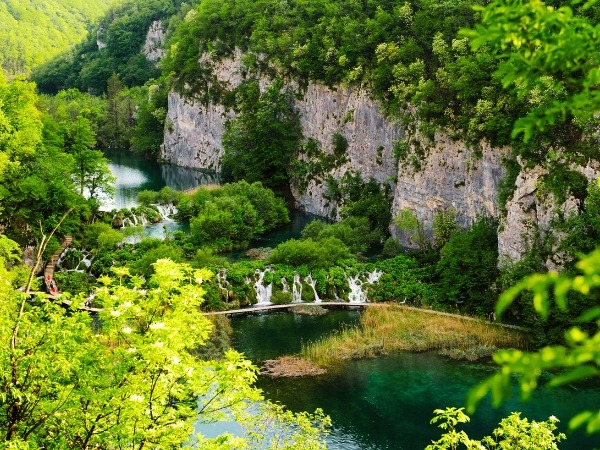
Plitvice Lakes National Park, known locally as Plitvička Jezera, is Croatia’s most famous national park and its oldest protected natural area. It has been recognised as a UNESCO World Heritage Site since 1979. The park features 16 crystal-clear lakes connected by an extraordinary network of waterfalls, all set within dense woodland.
Over thousands of years, flowing water has deposited limestone travertine, forming natural barriers that created the lakes, caves, and cascades. These geological processes are still active, constantly reshaping the landscape. The result is a breathtaking water world filled with turquoise pools, cascading falls, moss-covered rocks, and mirror-like ponds.
Visiting Plitvice involves a fair amount of walking. You’ll be guided by wooden boardwalks and forest paths over the water and between the lakes. Highlights include Veliki Slap, the park’s tallest waterfall at 78 metres, as well as countless smaller cascades. The lake colours shift between deep blue and vivid green depending on light and mineral content.
The surrounding beech and fir forests support a rich diversity of wildlife, including birds, deer, and shy large mammals. To avoid crowds, consider arriving early in the morning or staying overnight nearby to explore during quieter hours. Plitvice is stunning year-round, from autumn colours to icy winter scenes. Swimming is prohibited to protect the ecosystem.
Krka National Park is often compared with Plitvice Lakes. It is smaller, and it offers its own distinctive appeal. Located in central Dalmatia near Šibenik, the park protects a dramatic stretch of the Krka River, known for its waterfalls, gorges, and cultural landmarks. The river flows over limestone formations to create seven main waterfalls, all of which are surrounded by lush vegetation and clear, emerald water.
The park’s most famous feature is Skradinski Buk, a broad waterfall composed of numerous smaller cascades spanning a wide riverbed. Wooden boardwalks loop around the falls and pools, allowing visitors to walk directly above the water and enjoy excellent viewpoints. Swimming at Skradinski Buk is not permitted to protect the fragile travertine formations. Boardwalk trails pass historic water mills and a small ethnographic museum that explains traditional uses of river power. Wildlife such as frogs, fish, and dragonflies is commonly seen along the paths.
Further upstream, Roški Slap offers a quieter waterfall setting, with cascades that stretch through a narrow canyon. It is accessible by car or seasonal boat trips, and swimming is allowed there during the summer. Another highlight is Visovac Island, home to a fifteenth-century Franciscan monastery that can be visited by boat.
For those who want to go hiking in Croatia, the mountain and forest national parks are a dream come true. Croatia’s interior is dominated by the Dinaric Alps and dense woodlands, offering cool retreats and rugged adventures away from the shore. These parks feature towering limestone cliffs, deep canyons, underground caves, and pristine forests teeming with wildlife.
Here, you can trek up to panoramic peaks, explore biodiverse habitats, and perhaps glimpse animals like lynx or chamois in their natural environment. The climate in the highlands is different. Winters bring snowfall and crisp air, while summers are warm but milder than on the coast, making these parks ideal for summer hiking.
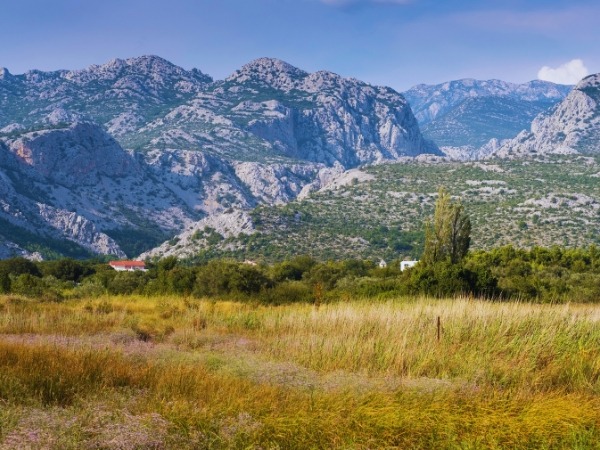
Paklenica National Park is Croatia’s top destination for rock climbing and mountain hiking. The park is situated within the Velebit mountain range, near the coastal town of Zadar, and is characterized by two canyons, Velika Paklenica and Mala Paklenica. These deep gorges cut into the southern slopes of Velebit and are surrounded by towering cliffs, rugged karst terrain, and dense pine and beech forests. Peaks in the park rise above 1,700 metres.
One of the most popular hikes follows the Velika Paklenica canyon to a mountain hut, taking around 2 to 3 hours one way. The trail runs beside a clear stream and beneath sheer rock walls that reach up to 400 metres high. Along the way, climbers can often be seen scaling the cliffs, especially near Anića Kuk, Croatia’s most famous climbing wall.
Paklenica is also known for its underground features. The Manita Peć cave, accessible by guided tour, reveals impressive stalactites and stalagmites. The park supports rich biodiversity, with over a thousand plant species and wildlife ranging from birds and butterflies to foxes, boar, and larger mammals in remote areas.
Risnjak National Park rises above the Kvarner Gulf in north-west Croatia and protects a vast area of alpine forest and rugged karst peaks in the Gorski Kotar region. Covering about 64 square kilometres, the park feels far removed from the nearby coast. It has dense woodland, open meadows, and crisp mountain air. The park takes its name from the lynx, one of Europe’s rarest wild cats, which still inhabits these forests alongside bears and wolves. These animals are elusive and avoid people.
The park’s focal point is Veliki Risnjak, a rocky summit reaching 1,528 metres. Hikers who reach the top are rewarded with sweeping views that stretch to the Adriatic Sea on clear days and across the hills of neighbouring Slovenia. Routes usually begin near Crni Lug or from higher trailheads closer to the ridge. Near the summit sits Schlosser’s Lodge, a traditional mountain hut used by overnight hikers. Another notable peak, Snježnik, offers similarly impressive views and is slightly easier to access.
Lower-elevation trails wind through forests of beech, fir, and spruce. In the spring and summer, alpine meadows bloom with a variety of wildflowers. One of the park’s most striking features is the source of the Kupa River, a vivid turquoise spring often called the Emerald Eye. This tranquil spot, located in the eastern part of the park, is accessible via a hiking path.
Northern Velebit National Park, known locally as Sjeverni Velebit, is a rugged highland reserve that appeals to travellers seeking true wilderness. It protects the northern section of the Velebit Mountain, the longest mountain range in Croatia, and forms part of a larger UNESCO Biosphere Reserve. Rather than showcasing single headline sights, the park focuses on the experience itself, with vast karst landscapes, sweeping viewpoints, and remarkable biodiversity.
Within a compact area, you can encounter an extraordinary variety of rock formations, alpine plant life, and animal habitats, which makes this one of the most rewarding regions for hiking in Croatia. The most famous hiking route is the Premužić Trail. This trail winds gently across the mountains, utilising dry-stone construction. Hikers can access remote terrain without steep climbs.
The climate in Northern Velebit is cooler than much of Croatia, with long winters and refreshing summer temperatures. Peaks such as Zavižan, which rises to 1,676 metres, offer expansive views. Nearby, the Velebit Botanic Garden showcases many endemic mountain plants, including the rare Velebit degenia. Wildlife is present but elusive, with bears, lynx, wolves, and large birds of prey inhabiting the region.
Mljet National Park is located on Mljet Island in southern Croatia, not far from Dubrovnik. It is often described as Croatia’s greenest island. The park covers the western third of the island and is known for its deep pine forests, quiet coves, and two striking saltwater lakes called Veliko Jezero and Malo Jezero. These lakes were once freshwater and later connected to the sea, creating calm, teal-blue waters surrounded by dense Aleppo pine and oak woodland. In the centre of Veliko Jezero is St. Mary’s Island, home to a beautifully preserved 12th-century Benedictine monastery.
Kayaking or canoeing on the lakes is a highlight. You can paddle around the monastery islet and along peaceful shorelines. Cycling is another popular option, with gentle trails circling the lakes and passing through shaded forest. Bicycles can be rented near the park entrances at Polače or Pomena.
You can walk or hike to reach woodland paths or climb Montokuc Hill for panoramic views across the lakes and sea. Along the way, you may encounter Illyrian burial mounds or the remains of a late Roman palace near Polače Harbour. Mljet is reached by ferry or catamaran from Dubrovnik or the Pelješac Peninsula, with arrivals close to the park.
Croatia’s national parks are open throughout the year, but the best time to visit is generally spring, early summer, and early autumn. These periods offer the most comfortable temperatures, vibrant landscapes, and fewer crowds than peak summer, while conditions vary slightly between coastal and mountain regions.
Croatia’s national parks showcase natural diversity that goes far beyond the famous beaches and party islands. You can enjoy walking among waterfalls, climbing limestone peaks, or sailing through an archipelago. The landscapes here are unspoilt and varied, giving you a chance to experience multiple adventures.
To experience this diversity, having your own transport makes all the difference. Rent a car in Croatia with Final Rentals to travel easily and reach the parks on your schedule. With Final Rentals, booking a car online is fast and simple. Select Zagreb Airport or Dubrovnik Airport as your pickup location, enter your travel dates, and choose a vehicle for your trip. Book and manage your car rental at any time. Download the Final Rentals app on Google Play and the App Store.