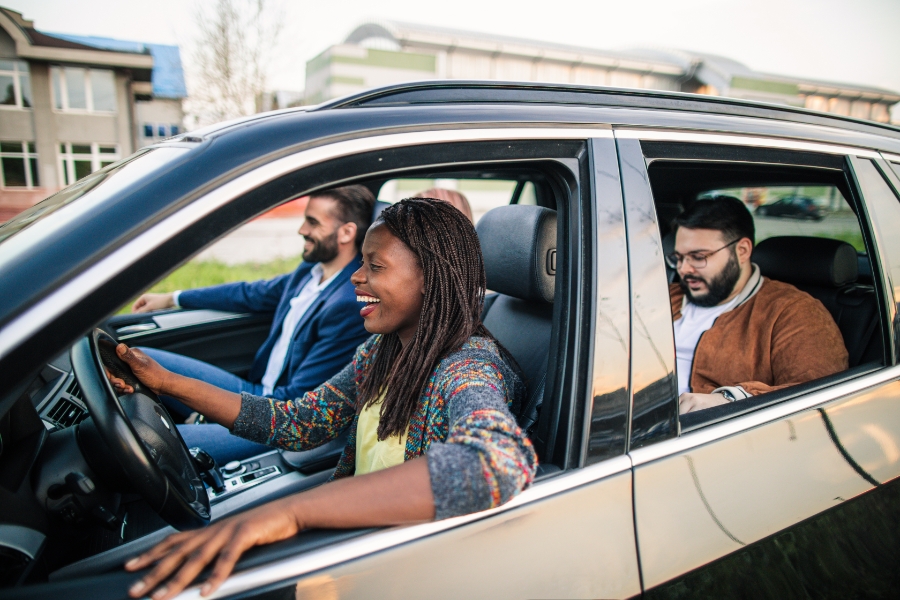
Choosing between public transport and car rental in Croatia depends on your itinerary. Buses and trains suit travellers visiting major cities on fixed schedules. However, renting a car offers more freedom during your trip. You can visit small villages, change plans quickly, or reach remote places. Public transport serves Croatia’s main hubs, but a car takes you beyond the usual routes. We will compare the two options so you can decide which best fits your trip.
Public transport in Croatia includes buses, trains, ferries, and Zagreb trams. Each serves a different part of the country.
Intercity buses provide the widest mainland coverage. They connect major cities and many smaller towns. Buses suit direct city journeys. Most coaches have air conditioning and luggage storage. Summer traffic can cause coastal delays.
Croatia’s rail network is more limited. Zagreb has direct rail links to Split, Rijeka, Osijek, and several inland cities. Trains usually run less often than buses. Current Zagreb-to-Split daytime services take about seven hours.
Local buses serve major cities. Zagreb also has trams, buses, and a funicular. There’s an app that lets passengers buy and activate tickets. Paper and multi-day tickets are also available. Historic centres are often best explored on foot. Dubrovnik Old Town and Split’s palace area have many pedestrian streets.

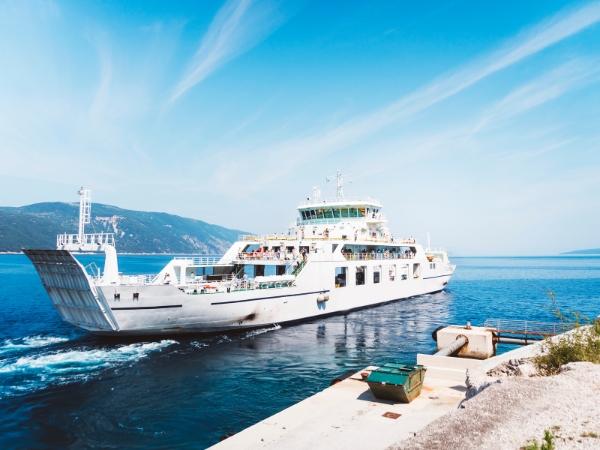
Ferries are essential for reaching most Croatian islands. Split, Zadar, Dubrovnik, and Rijeka are major departure points. Car ferries carry vehicles and passengers. Fast catamarans connect busy ports more quickly.
Some routes operate year-round, while others are seasonal. Check the latest sailing schedule before travelling. Jadrolinija sells tickets online for its local routes. Some tickets reserve a fixed sailing. Others cover any departure that day. Split has direct ferry links to Brač and Hvar. Walking works well near island ports. A car helps on larger islands with distant beaches and villages.

Tickets are sold online, through apps, or at stations. Booking early helps during July and August. Bus operators use separate booking systems. You may need several apps during a multi-stop trip. Summer brings heavier traffic and more seasonal services. Winter schedules may offer fewer coastal and island departures. Public transport works best when your plans match the timetable.
The better choice changes with each route. It's better to explore city centres by walking, while rural trips are better with a car.
Public transport is best for trips focused on Zagreb, Split, Dubrovnik, Zadar, or Pula. These cities have walkable centres and local bus links. Direct coaches remove parking costs, tolls, and driving stress. Trains serve selected routes from Zagreb. However, services may be slower or less frequent.
Car rental in Croatia is useful when your route includes several stops. You can leave earlier, stop for lunch, and change plans. Driving from Zagreb towards the coast lets you include Plitvice Lakes or other stops. City parking remains the main drawback. Central spaces can be limited, costly, or far from pedestrian areas. For a holiday focused in the city, buses and walking usually make more sense. For a wider road trip, driving provides more flexibility.
A car is helpful for Plitvice Lakes, Krka, Paklenica, and rural areas. Public buses may have limited departures. Driving lets you arrive earlier and choose a suitable entrance. You can also visit nearby villages before continuing elsewhere. Istria is best reached by driving. Buses reach major coastal towns, but inland links can be less direct. A car makes it easier to visit Pula, Rovinj, Poreč, Motovun, and Grožnjan. You can also stop at viewpoints and rural estates.
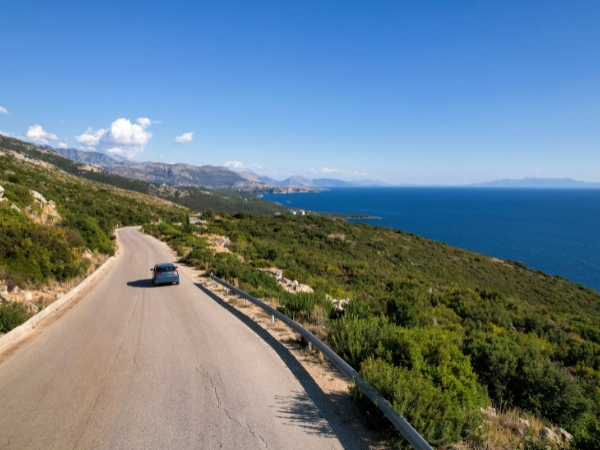
The Dalmatian coast is ideal for slower travel. You can pause in Šibenik, Primošten, Trogir, Omiš, and smaller seaside places. Express buses usually follow direct routes between cities. They do not offer the same freedom for unplanned stops. Summer drivers should expect heavier traffic near coastal cities.
A car is not always needed on the Croatian islands. Compact port towns are often easy to explore on foot. Larger islands have beaches and villages spread across wider areas. You may take a car ferry and continue driving after arrival. However, vehicle fares add to the total trip cost.
Another option is to combine a car rental in Croatia with ferry travel. Drive across the mainland, return the car, then travel as a passenger. One-way car rentals also support mixed trips. You could collect in Zagreb and return to Split or Dubrovnik.
Final Rentals permits one-way travel between selected Croatian locations. This way, you can avoid backtracking and extra vehicle ferry fares.
Driving usually wins when your itinerary includes rural places, several stops, or flexible days. Public transport remains useful for simpler routes.
Families gain private space and direct hotel access. Groups can divide fuel, toll, and parking costs. A car helps when children, older travellers, or heavy bags make transfers difficult. You can stop whenever someone needs a break.
Multi-stop itineraries become much easier. One day can include several towns, beaches, or viewpoints without timetable gaps. Drivers can also change routes during poor weather. They are not tied to a booked departure. Unlimited mileage is available for longer mainland journeys with Final Rentals. The same-to-same fuel policy also keeps the return rule simple.
Compare the full costs before booking, including fuel, tolls, parking, and vehicle ferry fares. When you book with Final Rentals, the rental amount already includes Collision Damage Waiver, Theft Waiver, and Third-party liability. Standard damage and theft excess ranges from €800 to €2,000. The amount depends on the vehicle category. Super cover costs €25 to €50 daily and reduces the excess to zero.
Drivers must be aged 21 to 70. Young and senior driver fees cost €10 daily, capped at €100. Your licence must be valid and held for at least one year. EU, US, Canadian, and Australian licences are accepted. An International Driving Licence is only required for licences outside the Roman alphabet. You must also bring the original licence.
Public transport may be better for a short break in Zagreb, Split, or Dubrovnik. You avoid parking and city traffic. It also suits direct travel between major cities. Solo travellers can often spend less by booking a coach or train.
Passenger ferries work well for island hopping without a vehicle. This removes car ferry costs and parking concerns. After a long flight, an airport transfer may feel easier than driving. The best choice can include both options. Use a car for rural areas, then switch to ferries or local buses.
Choose public transport for compact city breaks, direct routes, and island stays near ports. Choose car rental in Croatia for national parks, Istria, coastal stops, and multi-day touring. Driving gives you more control and access, but your choice depends on your route. Many travellers only need a car for rural areas.
Rent a car in Croatia with Final Rentals and enjoy unlimited mileage across longer routes. You can also arrange one-way rentals, delivery, collection, and out-of-hours service. Book and manage your car rental at any time. Download the Final Rentals app on Google Play and the App Store.
Rates change by season, vehicle type, rental length, and collection point. Summer usually has higher demand than quieter months. Check whether unlimited mileage, taxes, airport fees, and basic insurance are included. Then add fuel, tolls, parking, and ferry costs.
Bring a valid licence, passport or national ID, and an accepted payment card. Your licence must be held for one year. The main driver needs a Diners, Visa, or Mastercard for the deposit. Debit cards can only pay the rental amount. Drivers must be aged 21 to 70. Young and senior driver fees apply within the stated age bands.
Choose buses, trains, and ferries for direct routes, city breaks, and simple island trips. Choose a car for national parks, small towns, rural areas, and flexible coastal routes. It also suits families and groups. A mixed itinerary often works best. Drive remotely, then use local transport in busy cities.