When you rent a car in Croatia, your booking terms may show two similar figures: the deposit and the excess. Both may involve hundreds or thousands of euros, but they have different purposes. The deposit affects your available card limit during the hire. The excess describes what you might owe if eligible damage or theft occurs.
The difference is simple. A deposit is money or credit temporarily secured by the rental company. An excess limits your responsibility for covered damage or theft. The amounts may be linked, but they do not have to match. Our guide explains how a Croatia car rental deposit differs from excess and how insurance changes what you may pay.
Your agreement can show a security deposit and damage excess as separate figures. One protects the rental company against possible charges, while the other sets your responsibility for eligible damage or theft.
A Croatia car rental deposit is normally secured against your payment card when you pick up the car. Rental companies often use a temporary card pre-authorisation, which reserves credit without completing a purchase. Some may take an actual payment instead, so check how the deposit will be handled.
For example, suppose you have €2,500 available on your credit card. A €1,400 pre-authorisation can leave you with only €1,100 to spend until the hold ends. You have not necessarily paid €1,400. The company has simply reserved it against possible charges during your hire. If you need the same card for hotels, plan around your remaining limit.
When you return the car under the agreed rental conditions, the unused hold should be released. The deposit is not an additional rental fee. It may, however, secure costs beyond damage, including fuel, missing keys, or outstanding penalties.
The excess is the amount you may need to pay for eligible damage or theft under the rental agreement. With Collision Damage Waiver, your responsibility is usually limited to the agreed excess, provided you follow the protection rules.
An excess of €1,000 means the most you normally pay for covered damage is €1,000. If repairs cost €300, you pay only €300. If repairs cost €1,500, you pay €1,000, and the damage waiver covers the remaining €500. However, you may have to pay more if the damage is excluded or you break the rental agreement's rules.
Unlike a deposit, the excess is not automatically charged at pickup. It only matters when a covered incident occurs. You can finish your holiday without paying any excess, even if your card was blocked for the deposit.
Imagine your booking shows a €1,400 deposit and a €1,000 excess. The company might reserve more than the excess to cover other costs, such as fuel or lost keys. The figures serve separate purposes, even when they appear together in your booking terms.
If you return the car without damage or unpaid charges, the €1,400 hold can be released. If you cause €300 of eligible damage, your responsibility would normally be €300, not the full deposit. For eligible damage costing €1,500, your liability would normally stop at the €1,000 excess.
The remaining €400 does not increase the damage limit. If the company keeps any of the hold, ask for an itemised explanation. It may simply have been reserved for other charges under the agreement. Remember that damage exclusions, negligence and penalties may fall outside that limit, so the deposit never represents every possible cost.

Each car rental company sets its own deposit rules. Your card, car category, and protection choice can affect the amount reserved. Your bank may also affect when the hold disappears.
Deposit amounts can change between economy, compact, SUV, and premium car categories. A larger or more valuable car may require more security, but the exact amount depends on the rental terms. When choosing a rental car in Croatia, compare the deposit for each car category rather than relying on estimates. The booking length may also matter if outstanding rental charges are included in the security amount.
Extra protection can sometimes lower the security hold along with your damage excess. However, even a zero-excess package may still require a deposit for fuel, fines, or other charges. A lower advertised daily rate may therefore mean less credit available to spend. Check both figures before choosing between offers.
When you book a vehicle with Final Rentals, you can choose from several car types to match your travel plans. Your rental includes Collision Damage Waiver, Theft Waiver, and third-party liability, with an excess based on your car category. You'll also get unlimited mileage, so you won't worry about extra charges on longer drives.
Many car rental companies require a physical credit card in the main driver's name at pickup. Your card must have enough credit for the hold, even when you have already paid for the booking online. Paying in advance does not guarantee that you can use a debit card for the deposit.
Check the accepted cards and documents needed to rent a car in Croatia before travelling. The card accepted online may not be valid for the security hold at the desk. A card belonging to your travelling companion may also be refused if you are the main driver. Read the payment and deposit conditions separately, especially if you plan to use a debit card.
A deposit can secure more than accident repairs. Missing fuel, lost keys, additional cleaning, late returns, and traffic fines may all incur charges. Unpaid tolls on Croatian motorways may also be charged under your agreement.
These costs are separate from the damage excess. A €1,000 excess does not mean a refuelling charge or fine must fall within that amount. Even with zero-excess protection, you still need to return the correct fuel level and pay other valid charges.
The rental company usually releases an unused pre-authorization after you close your rental and they check the vehicle. Your bank then determines when your available credit returns. The hold may remain visible after you drop off the car.
A released hold may disappear without appearing as a separate refund. If the money still appears blocked, ask the rental company whether it sent the release before contacting your bank.
If you return the car outside opening hours, the inspection may take place on the next working day. Follow the key-return instructions and take clear, time-stamped photographs at drop-off. Keep the photographs you took when you checked the car at pickup. Both sets can help resolve questions later.
Protection can lower your responsibility for certain losses, but the card hold may remain. Review the waiver, excluded damage, and payment terms before choosing your cover.
Collision Damage Waiver reduces how much you may owe for eligible damage. With Final Rentals in Croatia, Collision Damage Waiver is included, together with Theft Waiver and third-party liability.
Do not assume an economy car has the same limit as an SUV or people carrier. Check the excess for your chosen category before paying. Also check whether the agreement applies an excess per incident, since separate accidents may have separate limits. Theft cover can have its own conditions, even when the listed excess is similar.
Extra cover from your car rental company may reduce or remove the excess for eligible damage. Some companies also lower the deposit, but zero excess does not guarantee that no hold will be required. Final Rentals also offers an optional Super Collision Damage Waiver at the desk to remove the excess.
Separate excess-reimbursement insurance works differently. You may need to pay the rental company first, then claim reimbursement from your insurer. Your card must still meet the rental company's deposit rules, even if your separate policy promises reimbursement.
For a Croatia car rental excess, check who pays the damage bill first and which exclusions apply. A policy that reimburses you later is not the same as a waiver that reduces your liability at the desk.
Standard cover does not necessarily include every part of the car. With Final Rentals in Croatia, standard protection excludes windows, mirrors, wheels and tyres, plus the undercarriage, engine and interior. Personal belongings and lost keys are excluded too. Other extras, including child seats, are also not covered. Negligent driving, alcohol or drug use can also affect your protection.
Only authorised drivers should drive the car, and you must follow the accident-reporting rules. If your plans include nearby countries, confirm cross-border permission before departure. Final Rentals permits travel up to European Union countries, including Bosnia and Herzegovina, Serbia, Montenegro, and North Macedonia for an additional fee.
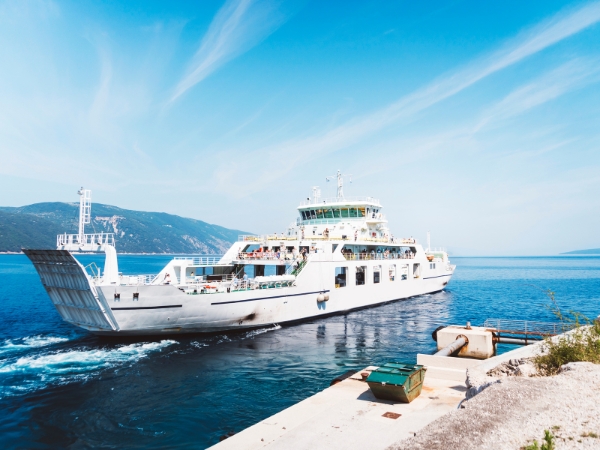
Make sure your planned cross-border travel with a rental car from Croatia is approved before you leave. If you want to visit Croatian islands by car, confirm the ferry travel rules first. Never assume that zero-excess cover includes restricted journeys or excluded damage. Buying a ferry ticket does not replace any permission your car rental company requires.
After an accident, make sure everyone is safe and contact the rental company immediately. Photograph the damage and surroundings, gather the other driver's details, and record any witnesses. Follow the instructions for police or medical assistance rather than deciding an incident is too small to report.
With Final Rentals, a valid police report is mandatory after an accident, damage, or theft. You must also notify the rental desk immediately. Missing paperwork or failing to follow the agreement can affect whether your waiver applies.
The company will then assess the damage and calculate any eligible charge, sometimes using a damage tariff or repair assessment. Ask for a written breakdown if a deduction is unclear. Keep your rental agreement, photos, damage assessment, final invoice, and payment records. If you have separate reimbursement cover, keep the requested claim documents. You may need them to reclaim the amount paid.
Before paying for extra protection on your Croatia car rental, check the total cost for your rental period. The daily fee can add up during a longer holiday, even if you never need to make a damage claim. Compare that cost with your standard excess to decide whether paying extra for a lower excess is worthwhile.
Rent a car in Croatia with Final Rentals and enjoy a 1-hour grace period when returning your car. You can also ask about optional no-excess protection at the rental desk to reduce your liability for covered damage. Book and manage your car rental anytime. Download the Final Rentals app on Google Play and the App Store.
Croatia car rental insurance commonly includes Collision Damage Waiver and theft protection. Third-party liability is also included when stated in your agreement. An excess may still apply, and exclusions can include tyres, glass, the undercarriage, keys, or damage caused by prohibited use.
A deposit is a temporary hold used to secure possible rental charges. The excess is your potential damage liability for an eligible covered event. They are separate amounts. The deposit is normally released at the end of your hire if no charge is due.
Yes, you may still need a deposit even with zero excess. The security hold can cover charges outside covered damage, including fuel, fines, and other costs listed in the rental terms. Some car rental companies may reduce the required deposit with zero excess, but it does not automatically remove it.