Planning a trip to Croatia involves dealing with parking restrictions in old towns, narrow coastal roads, and rental costs. The car you choose affects how easily you move between places, how much you spend on fuel, and how flexible your plans can be.
When deciding between a small car and an SUV in Croatia, the differences are apparent in everyday situations. A small car makes it easier to park and drive through tight streets, while an SUV gives you more space and a smoother ride on longer or uneven routes. Our guide will help you choose the right type of car for your trip.
Driving in Croatia is straightforward once you remember a few rules. Typical speed signs you will see are 50 km/h in built-up areas, 90 km/h outside towns, and 130 km/h on motorways. Always follow the signs you see on the road.
In Croatia, standard drivers have an alcohol limit of 0.5, while professional and novice drivers have a limit of 0.0. Seat belts and child restraints are mandatory, and your vehicle should carry essential roadside safety equipment, including a first-aid kit, warning triangle, reflective vest, and spare bulbs.
If you travel inland in colder months, pay attention to winter rules. On major roads, winter equipment is required between 15 November and 15 April, with winter tyres (M+S) on all wheels or a summer-tire alternative plus snow chains ready to use; studded tyres are not allowed.
Your vehicle choice matters in Croatia because many places you actually want to visit are not car-friendly once you reach the centre. Old-town areas can be pedestrian-first, with limited access, tight turns, and very limited parking.
Dubrovnik is the clearest example. There is a special traffic regulation zone around the historic city area. Visitors may enter only if they arrange access in advance, such as pre-booked parking, a hotel within the zone, or a host who registers their vehicle. That kind of rule pushes many tourists towards a smaller car, because you will often park outside and walk.
Size can also change your toll costs. Croatia’s main motorways use distance-based tolls. The price depends on your vehicle type and, for many vehicles, whether it is above or below 1.90 metres in height. Taller vehicles may pay more.
Croatia’s roads change quickly. One hour you are on a coastal route, the next you are in a historic centre, then climbing into the mountains, and later cruising on a tolled motorway. Motorways are usually paid by distance at toll plazas.
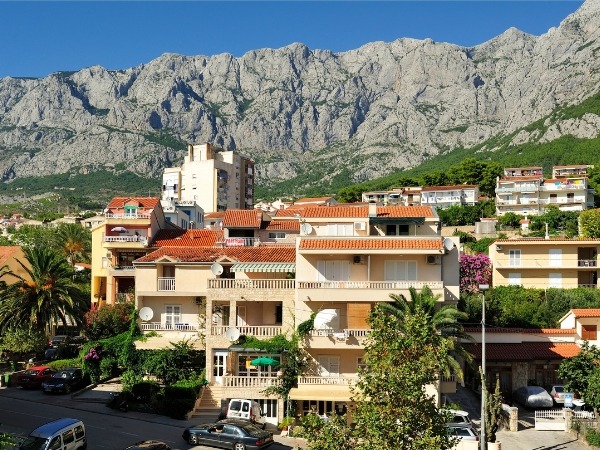
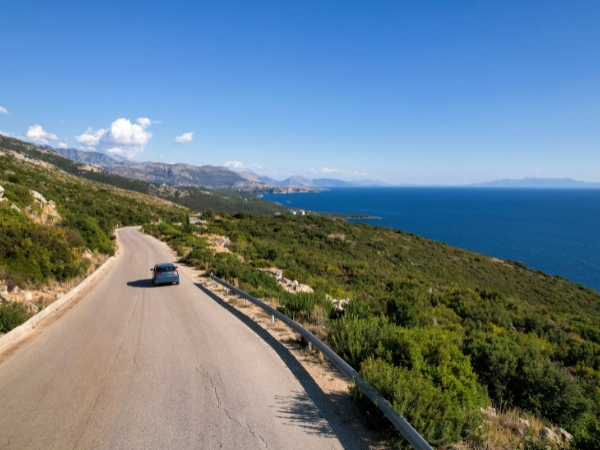
The Adriatic coast drive is beautiful, but it is not a straight and easy road all day. You can expect curves, changes in speed, coaches stopping for viewpoints, and slow-moving traffic in peak tourist times. On this kind of road, a small rental car is more comfortable, especially when you pull into lay-bys or pass through narrow village sections.
For Dubrovnik–Split travel, the Pelješac Bridge now connects Southern Dalmatia to the mainland without crossing into Bosnia and Herzegovina, making the journey simpler for travellers.
An SUV is easier to drive on long coastal days because you sit higher and often feel less affected by wind or passing coaches. But the coast also has tight parking and narrow village lanes. The extra width of an SUV in Croatia can become inconvenient if you stop often.
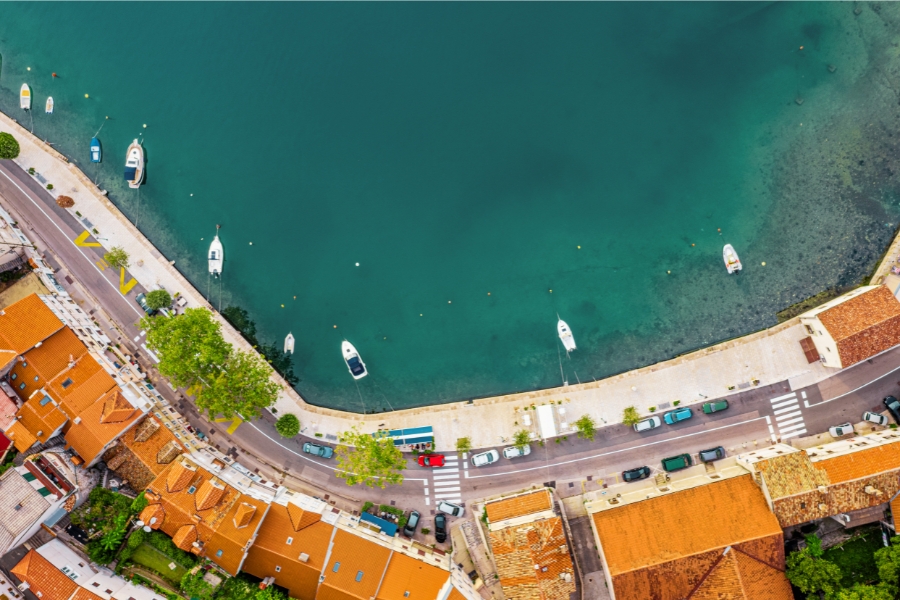
Historic centres are where car size becomes very real. These areas were built long before modern cars, so streets can be narrow, corners can be tight, and walking zones can be strict. Even if you can drive nearby, parking is often the bigger challenge. In Dubrovnik, entry to the historic zone is controlled, so you should expect to park outside and walk.
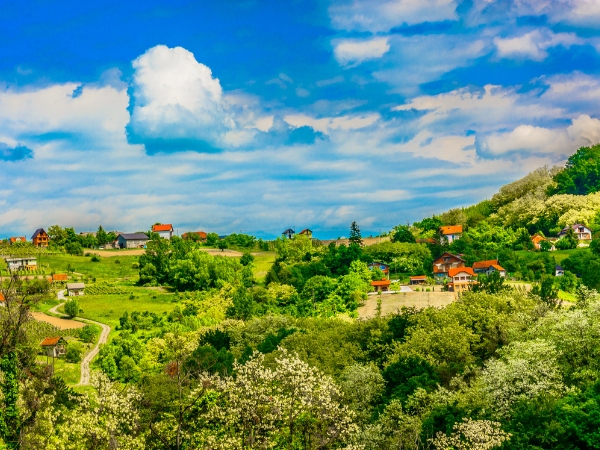
Inland Croatia is different from the coast. Roads can be quieter, but you may encounter steep climbs, forests, and changing weather conditions.
This is where an SUV’s higher clearance and stable handling can make driving feel less tiring, especially in rain or fog. An SUV in Croatia can offer better confidence on uneven surfaces, particularly in less developed areas. A small car can still handle inland routes well in normal conditions, especially with careful driving and proper tyres.
Croatia’s motorways are designed for speed and simplicity. You enter, drive efficiently, and pay a distance-based toll. Payment options typically include cash and major cards.
There is also an electronic toll system (ETC), which allows contactless passage through dedicated lanes using an in-car device. On motorways, both vehicle types perform well. A small car saves fuel, while an SUV offers enhanced comfort on long journeys.
Here are the benefits of renting a small car in Croatia:
In busy cities like Dubrovnik, Split, and Zadar, the hardest part is often the final few kilometres. Streets are narrower, traffic slows, and parking becomes scarce. A small car makes it easier to park outside city centres and explore on foot.
Island roads in Hvar, Korčula, and Vis are narrow and winding, making smaller vehicles more practical. A small car makes frequent stops easier and reduces stress when navigating tight roads or ferry loading areas.
A small car consumes less fuel due to its lighter weight and smaller engine. This is especially beneficial for coastal drives along the Dalmatian Coast, helping you maintain lower fuel consumption over distance.
Parking in popular towns like Rovinj and Pula can be limited. A small car fits into tighter spaces and allows for quicker parking decisions,
Here are the benefits of renting an SUV in Croatia:
SUVs offer better visibility and stability on uneven roads, especially in mountainous areas such as Plitvice Lakes and Gorski Kotar. Combined with proper tyres, they offer a more secure driving experience in changing weather conditions.
Long motorway drives benefit from a higher seating position and more spacious interiors. Passengers often feel less fatigued, making an SUV in Croatia a strong choice for extended travel days.
If your route includes rural Istrian villages and wine regions (Motovun, Grožnjan), road conditions can be more variable than expected. Many local roads are narrow, winding, and sometimes uneven, especially when heading inland. An SUV can make these drives feel more stable and comfortable, with better handling on hills and rough patches.
Multi-stop trips require practical storage. SUVs provide larger boot space. You can keep luggage organised and out of sight, and travel comfortably.
Your total cost includes rental price, fuel, tolls, insurance, and parking. Croatia uses the euro, making it easy to track expenses.
Small cars typically start around €15 to €16 per day, while SUVs range from €16 to €27 per day for standard models. Premium SUVs can cost significantly more.
Fuel costs depend on consumption rates. SUVs generally use more fuel, which can increase costs over long distances compared to smaller cars.
SUVs often come with higher deposits and insurance costs due to their value. Additional coverage for tyres, glass, and underbody may also be higher.
Parking can be limited and expensive in tourist areas like Dubrovnik and Hvar. Smaller cars reduce both cost and stress, while SUVs may require more planning when parking in busy locations.
Choosing between a small car and an SUV in Croatia comes down to how you plan to move, not just what feels comfortable. If your trip involves longer routes, inland regions, or carrying more luggage, an SUV in Croatia can make those days easier.
Rent a car in Croatia with Final Rentals to get the right balance of comfort, flexibility, and convenience for your travel plans. Select your pickup location, enter your travel dates, and choose a vehicle for your trip. Book and manage your car rental at any time. Download the Final Rentals app on Google Play and the App Store.
Yes. On major roads, winter equipment is mandatory between 15 November and 15 April. This includes winter tyres (M+S) on all wheels or a suitable alternative with snow chains ready to use. Always confirm what your rental vehicle includes before travelling inland.
Toll categories in Croatia depend on vehicle height, with a common threshold at 1.90 metres. Taller vehicles, including some SUVs or those with roof boxes, may fall into a higher toll category.
Yes, car ferry routes are available, but you should check your rental agreement and book ferry space in advance. Planning ahead helps ensure availability and avoids delays during busy travel periods.